
Best AI Girlfriend Apps for Images: Six Visual Workflows Compared
Specific image strengths, recurring failure modes, and evidence quality for Kindroid, Nomi, Remix.Camera, Candy AI, OurDream, and DarLink.
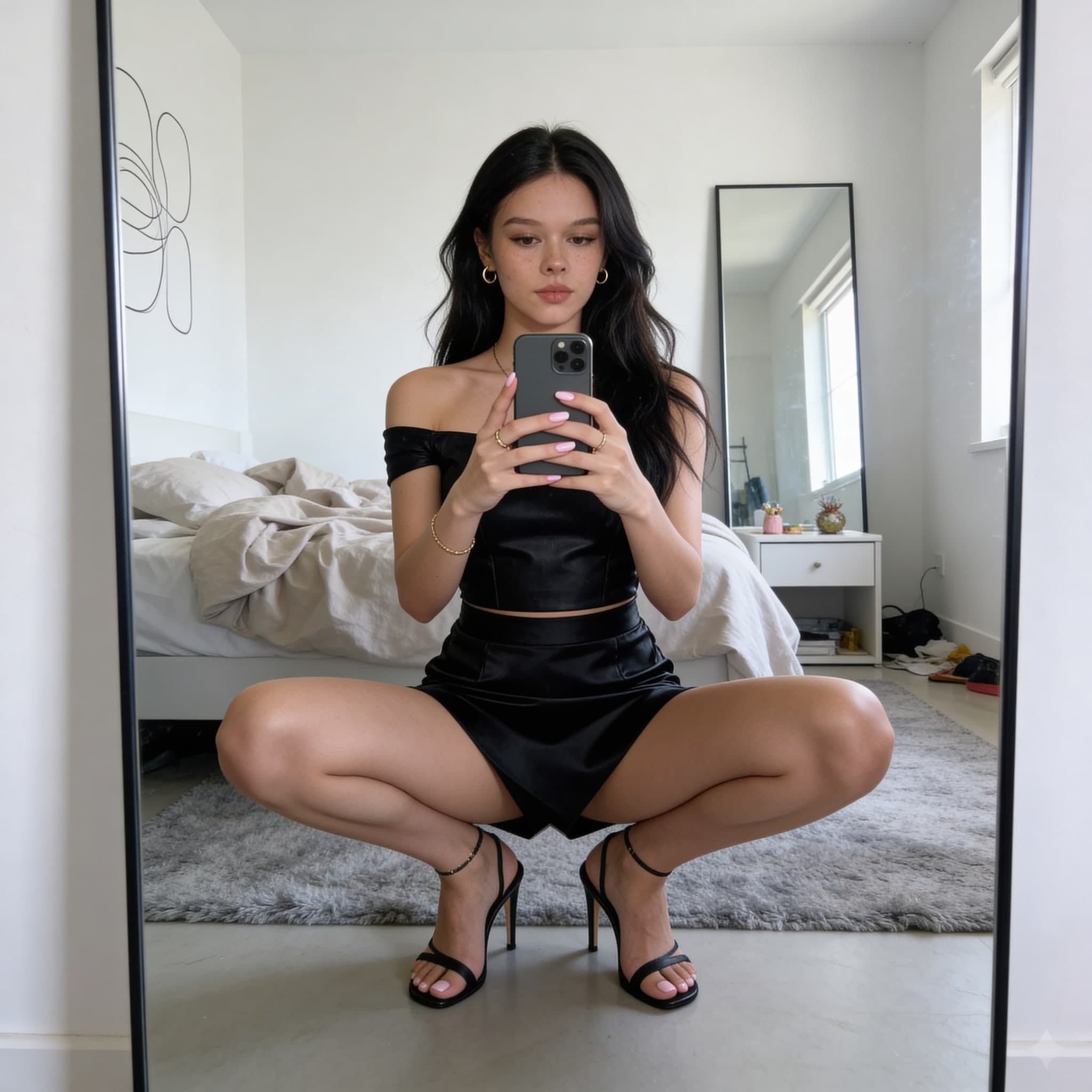
1. Kindroid: avatar and scene controls
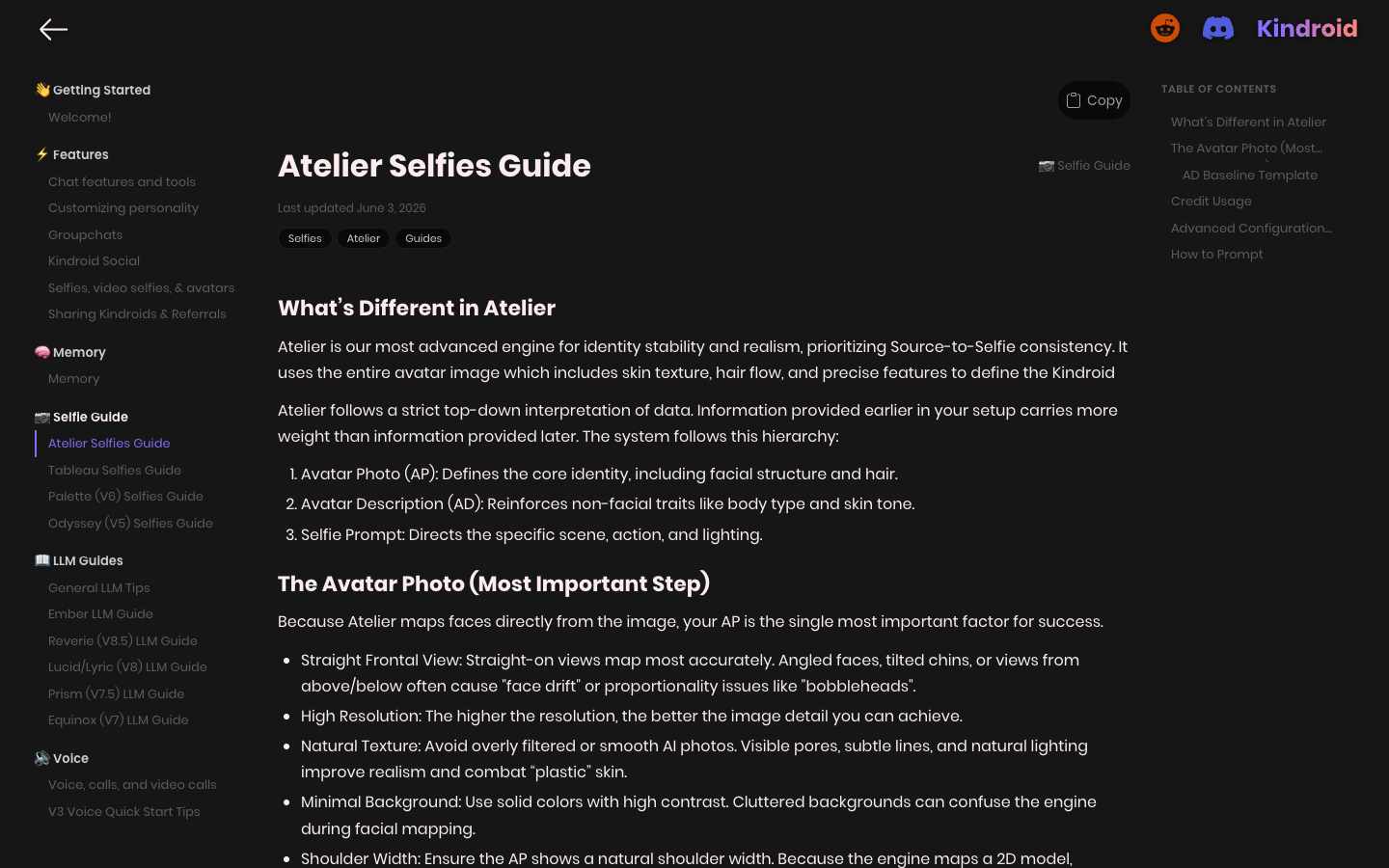
Kindroid's Atelier guide explains exactly what drives likeness: avatar image first, avatar description second, prompt third. It also exposes reference images, Photo Boost, inpainting, couples, groups, and video selfies. That transparency is the reason it ranks first for visual control.
The watchout is brittleness: body proportions, hair, tattoos, and negative-prompt syntax can all destabilize likeness. Improve the avatar description and test Photo Boost before complicating the scene prompt. One attractive avatar does not guarantee every pose.
2. Nomi: contextual selfies
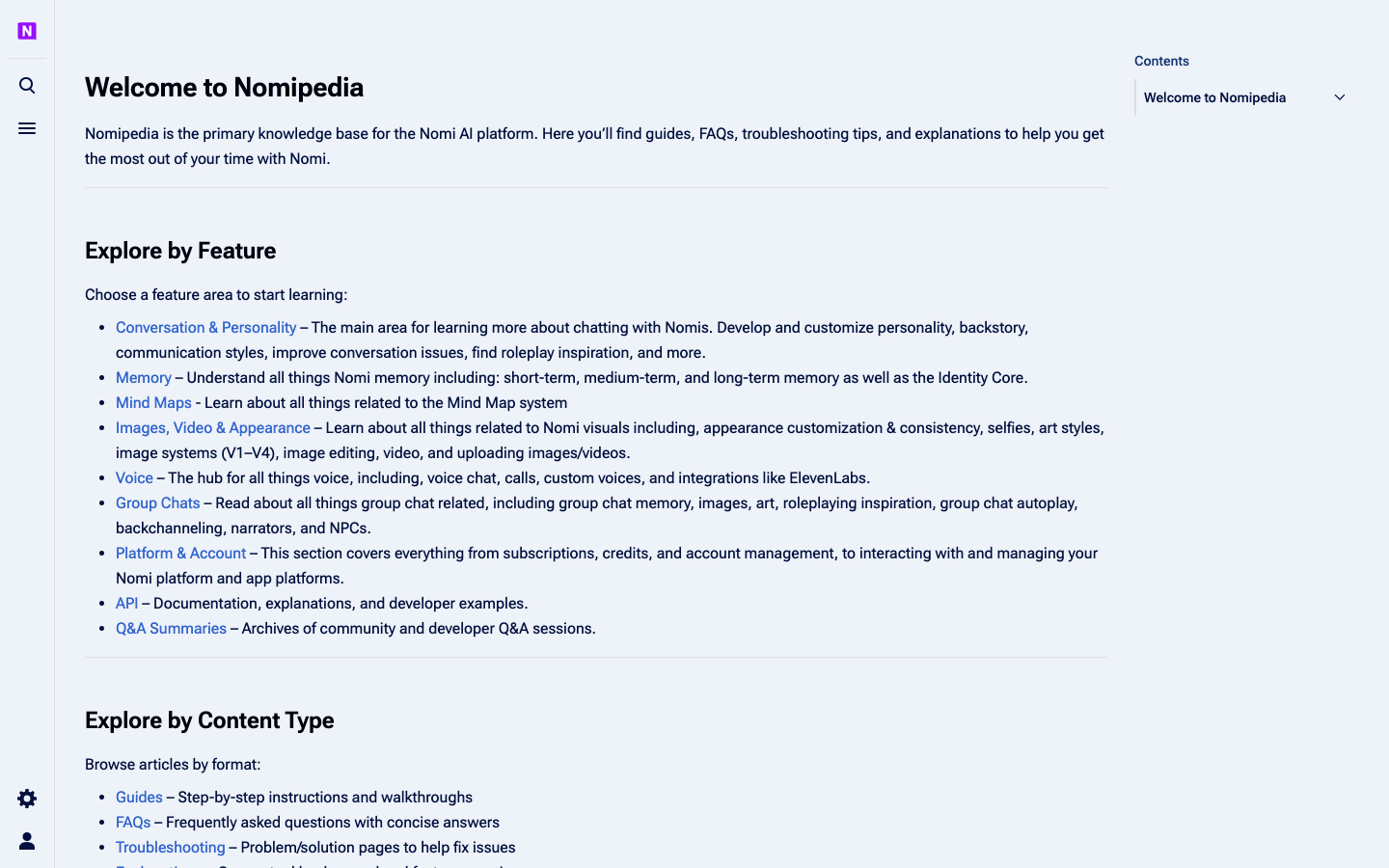
Nomi provides selfies within an ongoing conversation. Kindroid exposes more image and story controls.
Choose Nomi if contextual delivery matters more than a production panel. Choose Kindroid if you want to separate the selfie prompt from the chat, upload a specific avatar, and keep iterating until the frame is right.
3. Remix.Camera: reference images and templates
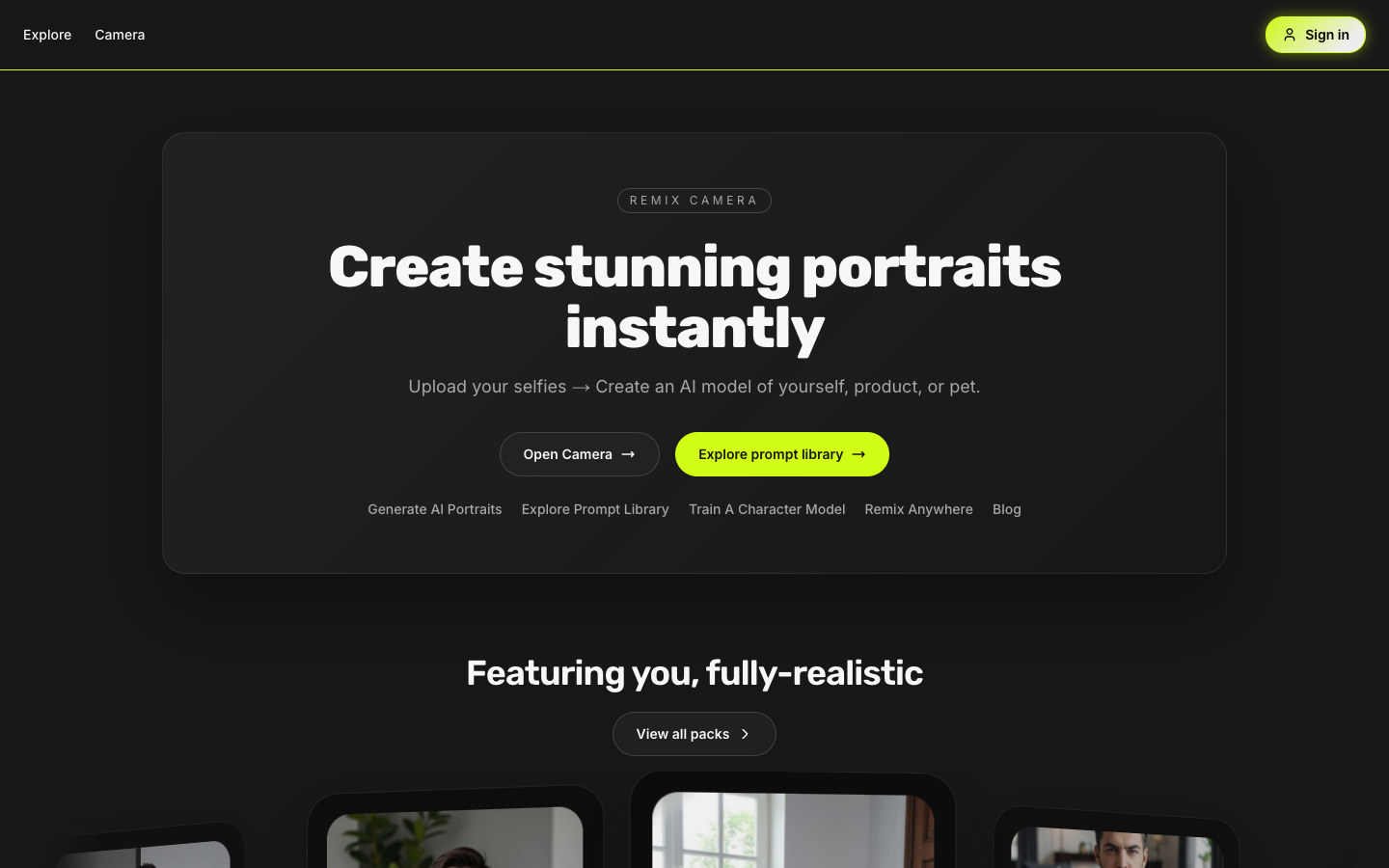
Remix.Camera is not an AI girlfriend chat app. It earns a place here because many users ultimately want the same fictional or authorized adult character to remain recognizable across selfies, lifestyle posts, edits, and short videos. It offers reference-based generation, templates, image editing, and image-to-video.
Use it as the production layer beside a companion app: keep personality and relationship history in Nomi or Kindroid, then create repeatable visual content in Remix.Camera. Free access is available, with an optional $8.99 monthly subscription. Disclosure: AI Photo and Remix.Camera share an operator.
4. Candy AI: character creation and images
Candy AI is the most discussed visual brand in the cleaned 35-review sample, but coverage remains noisy: some reviews use it mainly as a comparison point, while firsthand reports split between attractive character creation and weak free access or long-term repetition.
Treat Candy as a visual trial. Generate the same character in four scenes, record every token, and judge the tenth image—not the character-builder preview or a community score.
5. OurDream: character and scenario controls
OurDream's appeal is the breadth of its appearance, personality, scenario, and media controls. One retained cross-platform report from a user of OurDream, Candy, and DarLink identified the same concrete limit in all three: images tended to fall back to a solo character posing for the camera, and none reliably rendered both participants in a scene that matched the chat. That is one firsthand report, not a platform-wide failure rate, but it defines a useful continuity test.
Trial it with one continuing scene instead of browsing character presets: establish wardrobe and location in chat, generate an image, add a second character or action, then generate again. The important result is whether the later frame preserves the facts already established—not how polished the first portrait looks.
6. DarLink: chat, images, and video
DarLink publishes simple media costs—two tokens for an image and 20 for a video—and keeps chat, voice, images, and clips in one character. The risk is evidence concentration: much of the praise comes from newer review communities with repeated phrasing and competitor pivots. Use the product's breadth as a reason to trial it, not as evidence that its memory or visuals lead the market.
Four-scene comparison protocol
- Neutral portraitLock the baseline face, hair, age, and skin details.
- Wardrobe and location changeChange both without changing identity. Check whether the app falls back to its default outfit or face.
- Mirror or couple imageUse hands, a phone, reflections, or a second person to expose geometry and identity blending.
- Repeat after a weekRun the first scene again after normal chat or from a fresh production session. Count attempts, credits, and usable results.